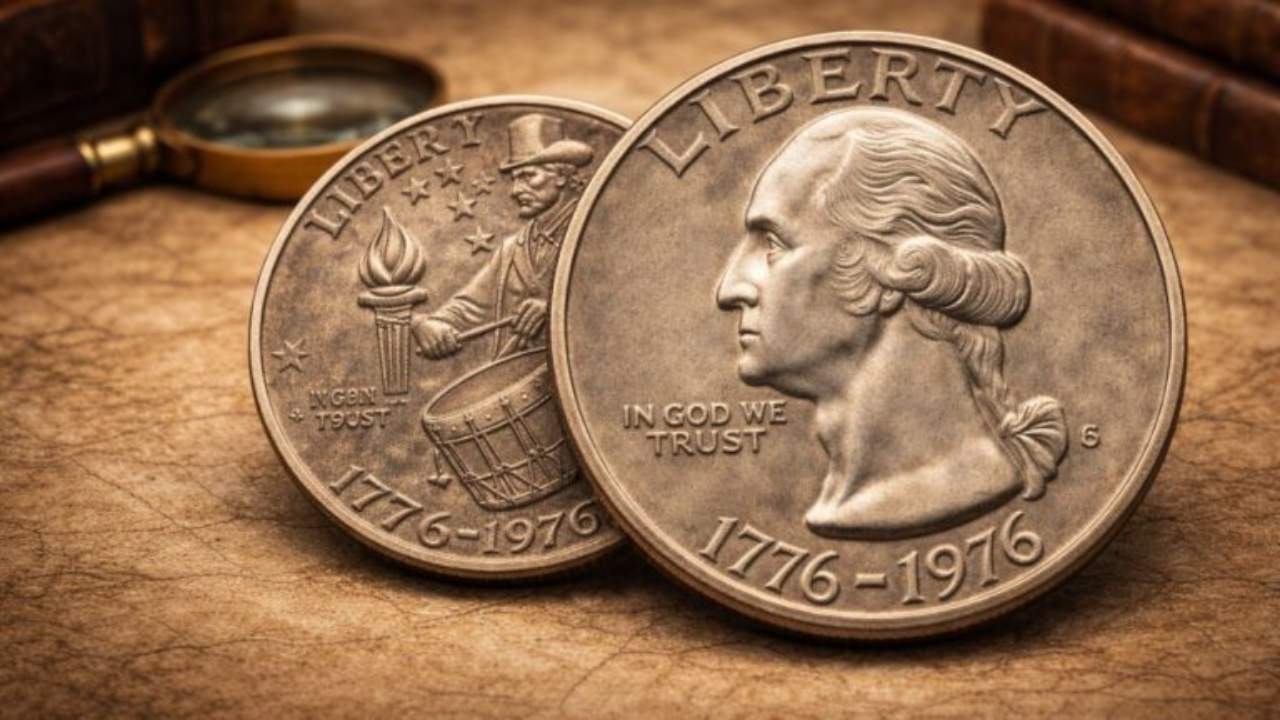
Lincoln Wheat Penny Worth $576,000: The Lincoln Wheat Penny is one of the most familiar and widely collected coins in the United States. Many people have come across these pennies in old jars, drawers, or family collections without realizing their potential value. While most Wheat Pennies are worth only a few cents or a few dollars, some rare examples have sold for astonishing amounts. One such Lincoln Wheat Penny has reached a value of $576,000, making it a powerful reminder that extraordinary treasures can sometimes be found in the most ordinary places.
The Origin and History of the Lincoln Wheat Penny
The Lincoln Wheat Penny was introduced in 1909 to mark the 100th anniversary of Abraham Lincoln’s birth. It was a historic moment because it became the first U.S. coin to feature the portrait of a real person rather than a symbolic figure. The design showed Lincoln on the front and two wheat stalks on the back, representing prosperity and strength. This design remained in use until 1958, meaning the coin was minted for nearly fifty years and produced in massive numbers. Despite this high production, not all Wheat Pennies are common, as changes in minting practices and historical events created rare and valuable varieties.
Why a Wheat Penny Can Be Worth $576,000
A Lincoln Wheat Penny reaches such a high value only when several important factors come together. Rarity is the most critical element, as coins with limited production or unusual characteristics are far harder to find today. Historical significance also matters, especially for coins tied to important events like wars or changes in metal composition. Condition plays an equally important role, as collectors are willing to pay much more for coins that have survived in excellent shape. The Wheat Penny valued at $576,000 is not just old, but extremely rare, well-preserved, and highly desirable among serious collectors.
Key Dates That Collectors Search For
Certain dates in the Lincoln Wheat Penny series are far more valuable than others. Early issues, especially from the first few years of production, are often harder to find. Coins from 1909 are especially important, as that was the first year the Wheat Penny was minted. Pennies from the 1910s and 1920s can also be valuable, particularly those with lower mintages. Wartime years, such as the early 1940s, are another area of strong interest because changes in materials led to some of the most famous rare pennies ever produced.

The Role of Mint Marks in Value
Mint marks play a major role in determining the value of a Lincoln Wheat Penny. These small letters under the date indicate where the coin was made. Some mints produced fewer pennies in certain years, making those coins harder to find today. A Wheat Penny with the right date and mint mark combination can be worth far more than a similar coin from another mint. Collectors always check mint marks carefully because even a small letter can make a huge difference in value.
Rare Mint Errors That Increase Worth
Mint errors are one of the most exciting aspects of Wheat Penny collecting. Errors occur when something goes wrong during the coin production process, resulting in unusual features. These can include doubled letters or numbers, missing details, off-center strikes, or coins struck on the wrong metal. Some of the most valuable Lincoln Wheat Pennies are error coins that went unnoticed for years while circulating. When such an error is combined with rarity and good condition, the value can rise dramatically.

The Famous 1943 Copper Wheat Penny
One of the most legendary Wheat Pennies is the 1943 copper penny. During World War II, copper was needed for military supplies, so pennies were supposed to be made from steel coated with zinc. However, a small number of copper blanks were accidentally used, creating a few copper pennies dated 1943. These coins are extremely rare and highly sought after. Depending on condition, some of these pennies have sold for hundreds of thousands of dollars, helping to explain how a Wheat Penny could reach a value like $576,000.
Why Condition Matters So Much
Condition is one of the most important factors in determining the value of any coin. A rare Wheat Penny that is heavily worn or damaged will be worth much less than the same coin in near-perfect condition. Collectors look for clear details, sharp lettering, and minimal surface damage. A penny that still shows strong wheat lines on the back and a well-defined portrait of Lincoln is far more appealing. High-grade coins are rare because most pennies were heavily used in everyday transactions.
How to Examine Your Wheat Pennies
To spot a rare Lincoln Wheat Penny, careful examination is essential. Start by checking the date and mint mark, as these provide the first clues about potential value. Use a magnifying glass to inspect the coin closely, looking for doubling in the letters or numbers, missing details, or unusual textures. Color can also be important, as some rare pennies have a different metal composition. Comparing your coin to images from trusted coin references can help you notice differences that are easy to miss.
Checking Metal Type and Weight
Some rare Wheat Pennies are valuable because they were made from the wrong metal. Weighing the coin can help identify this. A standard copper Wheat Penny weighs more than a steel one. Using a magnet is another simple test, as steel pennies will stick to a magnet while copper pennies will not. These basic checks can help identify potentially rare wartime pennies that deserve further evaluation.
The Importance of Professional Grading
If you believe you have found a rare Wheat Penny, professional grading is an important next step. Reputable grading services examine coins carefully to confirm authenticity and assign an official grade. This process protects the coin and provides proof of its condition, which is essential for high-value sales. A professionally graded coin is more trusted by buyers and often commands a higher price in the market.
Common Mistakes to Avoid
One of the most common mistakes people make is cleaning their coins. Cleaning can scratch the surface and remove original details, significantly reducing value. Another mistake is assuming that every old penny is rare or valuable. Proper research and expert evaluation are necessary to avoid disappointment and misinformation.
Why Lincoln Wheat Pennies Remain Popular
Lincoln Wheat Pennies continue to attract collectors because they are rich in history and relatively accessible. Many collectors began their journey by searching through Wheat Pennies, making them an important entry point into the hobby. Their long production period and variety of rare dates and errors keep interest strong among collectors of all levels.
Conclusion
A Lincoln Wheat Penny worth $576,000 is an extraordinary example of how small coins can hold immense value. These rare pennies are valuable because of unique dates, mint marks, mint errors, special metal compositions, and outstanding condition. While finding such a coin is rare, learning how to spot valuable Wheat Pennies can be both exciting and rewarding. With patience, careful examination, and the right knowledge, even an ordinary-looking penny can turn out to be a remarkable piece of history and a true hidden treasure.